So you have decided to visit Quebec City, congratulations! The capital of Quebec province is one of my favourite Canadian cities and the ideal summer destination whether you are planning to spend 3 days in Quebec City as I did, or for a longer holiday.
The first time I visited Quebec City the town was blanketed in snow and temperatures hovered around -15C. I was there for the Winter Carnival, the largest winter festival of its kind in the world and I quickly fell in love with the city. Surely, I thought, anywhere that can throw a party in sub-zero temperatures is my kind of town.
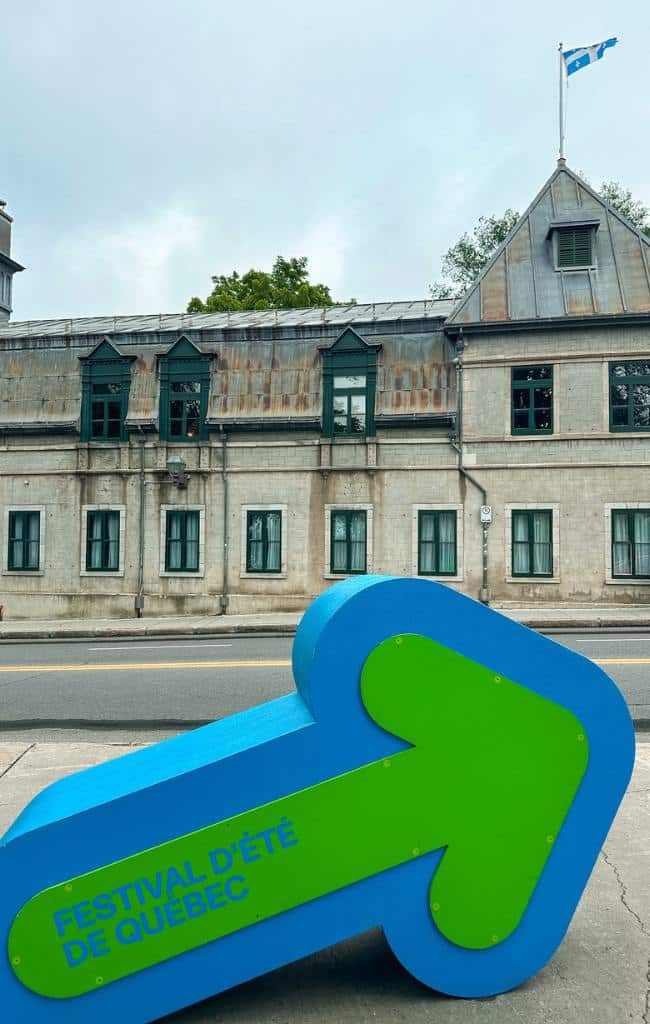
On this trip, I visited in July for a girls getaway with two girlfriends. The city was washed in sunshine and gearing up for its second biggest festival of the year, the Festival d’été de Québec (FEQ), otherwise known as the Summer Festival.
This 11-day event takes place in early July and features performances from a huge variety of groups in venues throughout the city and a carnival-like atmosphere pervades throughout.
Even if your visit doesn’t coincide with the Summer Festival, however, there are so many reasons to visit Quebec City in summer. Not only do warm summer days mean leisurely time spent wandering the picturesque neighbourhoods and dining al fresco, there’s the opportunity to explore so much more beyond the fortified city walls. From zip lining across waterfalls and a day spent on the magical Île d’Orléans to authentic indigenous experiences and more.
This guide will take you through everything you need to know about planning your time in Quebec City to ensure that you hit all the highlights, and some of the less-visited sights too.
Disclosure: I was a guest of Destination Quebec City for the purpose of producing this guide. As always, my opinions are honest and my own. This post may contain affiliate links. I have been or could be if you click on a link in this post compensated via a cash payment, gift or something else of value for writing this post. See our full disclosure policy for more details.
Quebec City 3 day itinerary – Essentials
Table of Contents
The following is the three day Quebec City itinerary that I enjoyed along with two girlfriends in early July. It includes everything that we did plus restaurants that we tried and my hotel of choice, as well as tour and guide recommendations.
Best Tours and Activities in Quebec City
- Quebec City Walking Tour
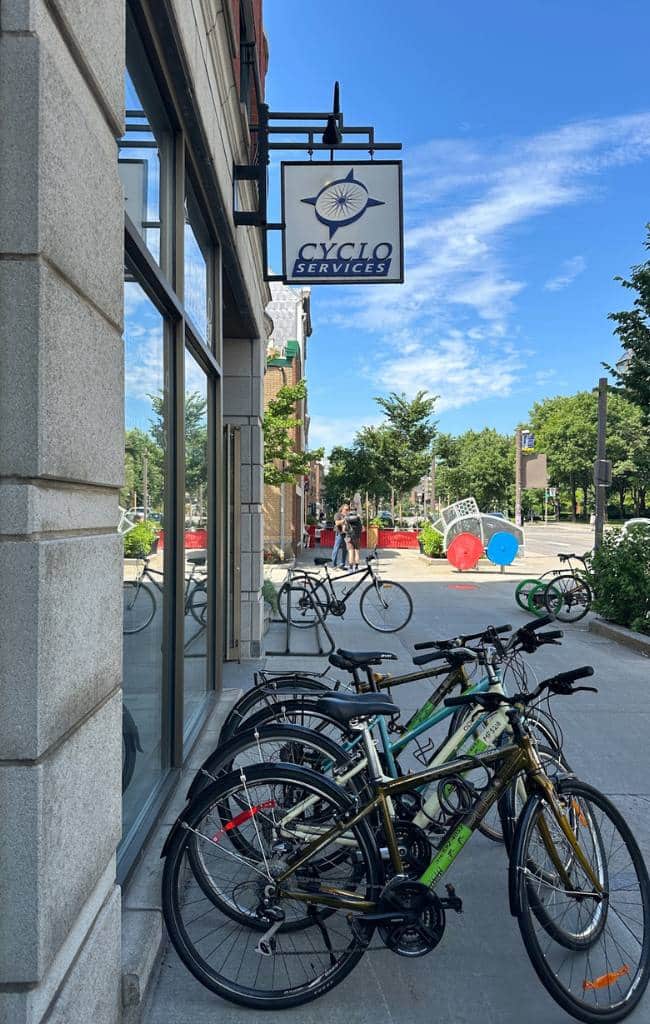
- Guided Bike Tour of Quebec City with Cyclo Services
- Day trip to Île d’Orléans with Conciergerie du Terroir
- Strøm Nordic Spa Old Quebec
Best Restaurants in Quebec City
There are dozens of great restaurants in Quebec City so this list is not exhaustive but includes restaurants that we enjoyed during our time in the city as well as some favourites recommended by locals.
- Bello Ristorante
- Petits Creux Corsica
- Restaurant Tanière
- Le Lapin Sauté
- Chez Gus Guinguette
- For more restaurant ideas, take a look at Urban Guide Quebec. Run by journalist, blogger and honorary local Québécois Pamela MacNaughtan, it has a huge number of restaurant recommendations.
Best Hotels and Accommodation in Quebec City
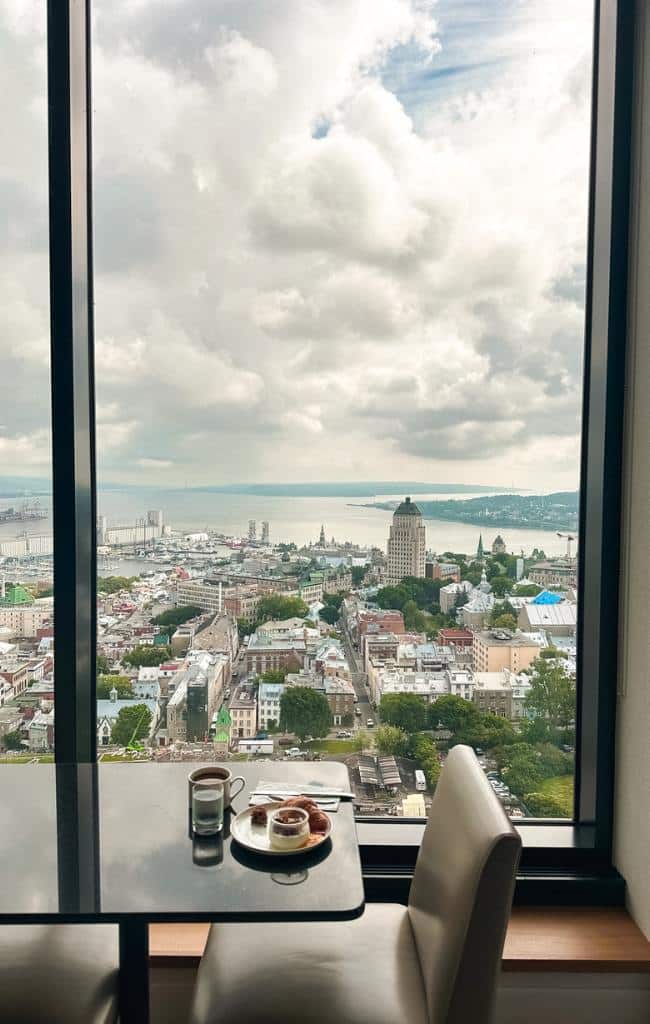
I’ve stayed at the Hilton Quebec both times that I’ve visited Quebec City and it could not be better located. Positioned a short walk form the Plains of Abraham, with panoramic views from the renovated hotel rooms, you are perfectly positioned for exploring the upper and lower parts of town – as well as getting to both the winter and summer festival grounds.
Best Festivals in Quebec City
- The Festival d’été de Québec (FEQ) is an annual 11-day music festival that takes place over five stages across the city. Acts covering everything from hip hop and heavy metals to country, folk and big names such as 50 Cent, Carly Rae Jensen and the Jonas Brothers take to the stage over the course of the festival. There’s also an EDM after party, which we enjoyed during our girls getaway. The festival is great fun and it’s well worth timing your Quebec City holiday for when it’s taking place.
- The Quebec Winter Carnival is the other big party that takes place every year winter. For 10 days the city celebrates winter with a fun-filled event that includes ice sculptures, parades, snowy games on the Plains of Abraham, canoe races and more. It typically takes place between late January and mi-February.
Québec City, an introduction
The provincial capital, Quebec City, was founded by the French explorer Samuel de Champlain in 1608 and became the capital of New France until 1759.
Today, the French-speaking city feels like a small corner of Europe in Canada but with a very distinct personality of its own. The Old Town (Vieux-Québec) remains the only North American fortified city north of Mexico whose walls still exist. It was declared a UNESCO World Heritage Site in 1985.
Its historic heart – and visitor favourite – is Old Quebec City (Vieux-Québec), made up of the Upper Town (Haute-Ville) and Lower Town (Basse-Ville).
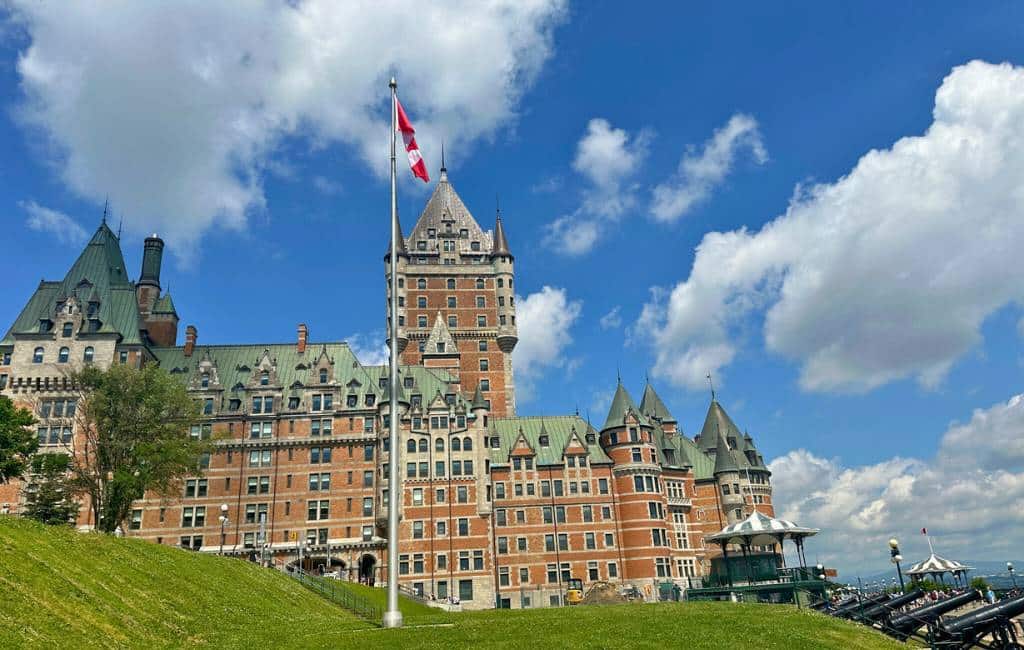
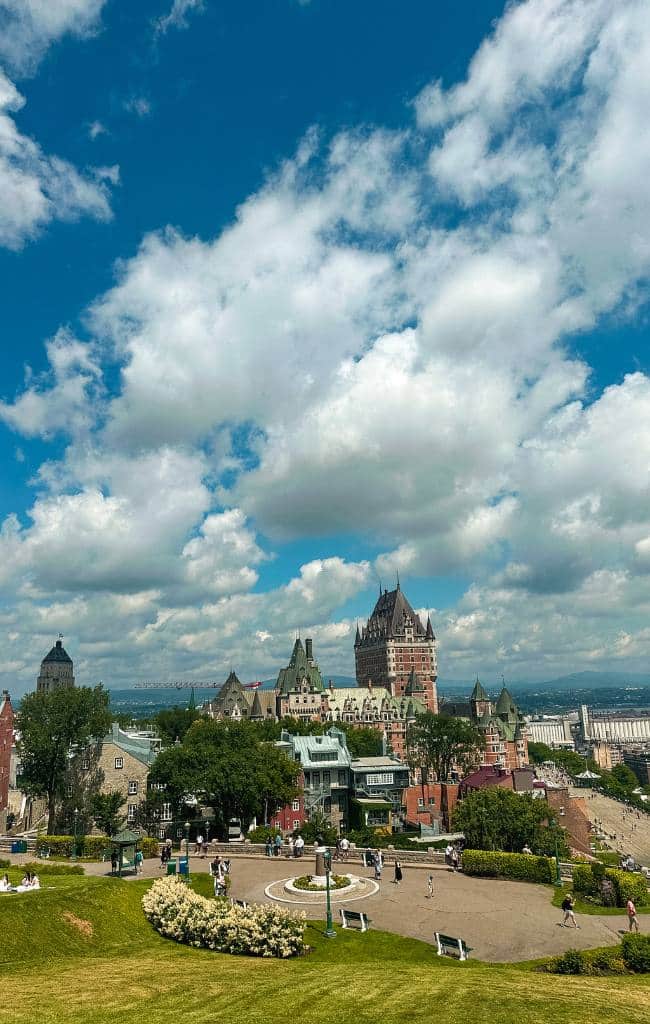
This is the Quebec of postcards: cobblestone streets, handsome stone houses with tall, steep roofs, elaborate fountains, and grand churches in a variety of architectural styles. It’s also where you will find the city’s most familiar and famous icon, the Fairmont Château Frontenac that sits perched on the highest point in Haute-Ville overlooking Dufferin Terrace and the mighty St. Lawrence River.
But there is much more to Québec City than the fairytale-esque Old Town as I discovered on this recent trip. Venture beyond the winding streets and you’ll discover a city that delivers far more than simply Instagram-famous views.
During my three days in Québec City I went biking along the city’s excellent cycle path network, discovered some welcoming places to swim, ate at excellent restaurants in hipster neighbourhoods and enjoyed a fulfilling day trip to nearby Montmorency Falls and Orleans Island – and more.
To help you plan your Quebec City itinerary, I have included everything that we did as well as tips for additional sights, activities, restaurants and bars, just in case you have more time. This itinerary is obviously not set in stone and you can mix and match days and activities according to your time and interests but it gives you an idea of what you can enjoy during 3 days in Quebec City.
3 Days in Quebec City: Day 1
Quebec City is an extremely walkable city and it’s easy to simply wander, losing yourself in the characterful streets of the Old Town and its many lively neighbourhoods. But having some semblance of a plan is never a bad thing and so I suggest that you start, as I did, in the upper and lower parts of the Old Town.
I stayed in the Hilton Quebec, which is located on the edge of the old city walls, just a short walk to the Parliament Building. This grand eight-storey building was built between 1877 and 1886 and is the seat of Quebec’s government.
Free guided tours are available if you fancy popping inside but I was content to wander around the gardens and admire the Fontaine de Tourny that stands in front. The fountain was originally installed in Bordeaux, France in 1857 and was removed in 1960. Apparently, the fountain was discovered by a Quebecoise businessman browsing a Parisian flea market and he had it shipped to Quebec where he gifted the fountain to the city for its 400th anniversary.
Nearby are the Plains of Abraham where the French were defeated by the British in September 1759. Today, the plains are a popular setting for the city’s many festivals, turning into a winter wonderland during the Quebec Winter Carnival and a concert venue during the Summer Festival.
Adjoining the Plains of Abraham is the Citadelle of Québec, the star-shaped 19th century fortification that sits atop Cap Diamant. A ceremonial Changing of the Guards performance takes place during the summer from Wednesdays to Sunday at 10am. It’s worth visiting the Citadel for the views alone; from here you are rewarding with spellbinding views of Château Frontenac, the St. Lawrence River, and the surrounding mountains.
Upper Town and Fairmont Le Château Frontenac
This fairytale hotel sits above the escarpment on Cape Diamond (Cap Diamant) and its towered and turreted Disney-esque rooftops dominate the city skyline. Built by the Canada Pacific Railway Company in 1892 to tempt luxury clientele to travel by train, today the property is the most photographed hotel in the world.
What stands today is not the original hotel; the property was expanded in 1924 when the large central tower was completed and a new wing was added in 1993. A guided tour of the historical hotel are available and a great way to learn more about this iconic building or you can reserve for afternoon tea.
During summer months, musicians and street performers entertain visitors outside the hotel beneath the sky-high statue of the city’s founder Samuel de Champlain and on Dufferin Terrace, the long wooden sidewalk that runs alongside Château Frontenac dotted with six elegant pavilions topped with green and white candy-striped roofs.
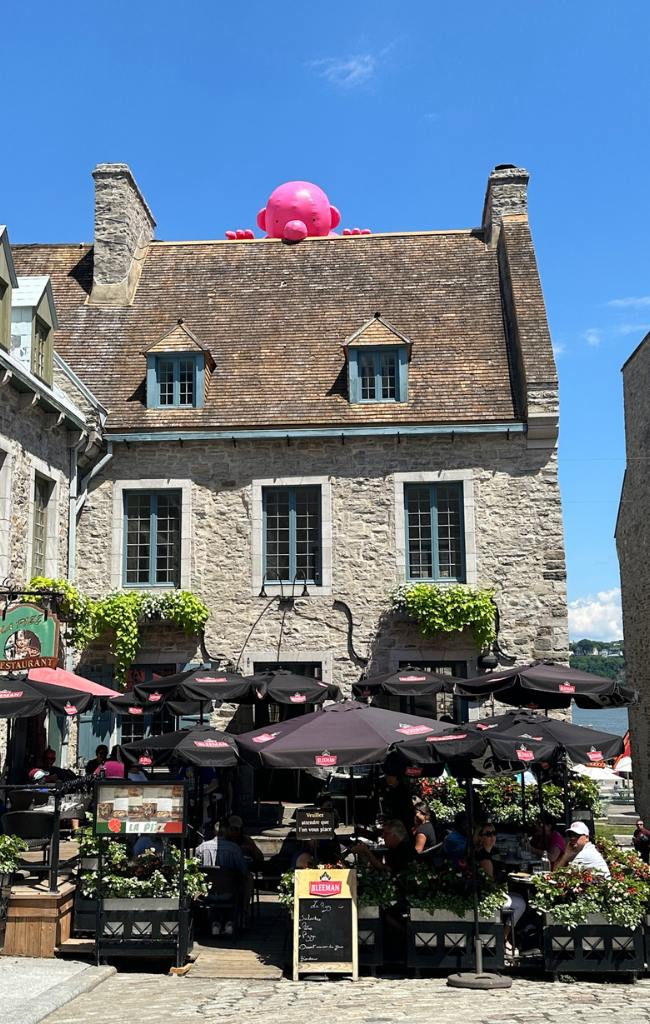
Don’t miss nearby Rue Sainte-Anne. This cobblestone pedestrian street is lined on one side with cafes and restaurants, their buzzy outdoor patios overlooking the Holy Trinity Anglican Church. A handful of caricature and portrait artists had set up shop along the road and were busy sketching when I visited. Just off Rue Saint-Anne is Rue du Trésor, a small alley lined with artists selling their work.
Stairs and the popular Funiculaire du Vieux-Québec link the Upper Town with the Lower town and the entrance to the funicular is on Dufferin Terrace. One option is to take the “Breakneck Stairs” down to the Lower Town and then take a funicular ride back up (CAD$5, cash only), thereby avoiding walking up the steep hill!
Lower Town
There’s a reason why this corner of Quebec City is so popular, it is ridiculously pretty. It’s hard to believe, then, that as recently as the 1970s, this was a no-go area. The neighbourhood had been largely abandoned and was in danger or being demolished to make way for a car park.
Fortunately, two locals, Gerry Paris and Jacques de Blois, came along with a dream to restore and revitalise the neighbourhood and to create a living community. The process took 15 years and today the Lower Town receives millions of visitors annually and is a UNESCO World Heritage Site.
The area sandwiched between the waterfront and the foot of Cap Diamant is known as the Quartier Petit Champlain (the Petit Champlain district). The main road, Rue du Petit Champlain, is the oldest commercial street in North America (the oldest building dates form 1606 and is today occupied by Sculpteur Flamand that sells wood carvings).
It’s also one of Quebec City’s prettiest, lined with small boutiques selling local arts and crafts as well as cafes and restaurants.
Of the 50 merchants working in Petit Champlain, 45 of them are members of the local co-operative that run and manage the area. They ensure that the neighbourhood is preserved and are the reason why you won’t find big chain stores or restaurants here, rather all businesses are locally owned and managed.
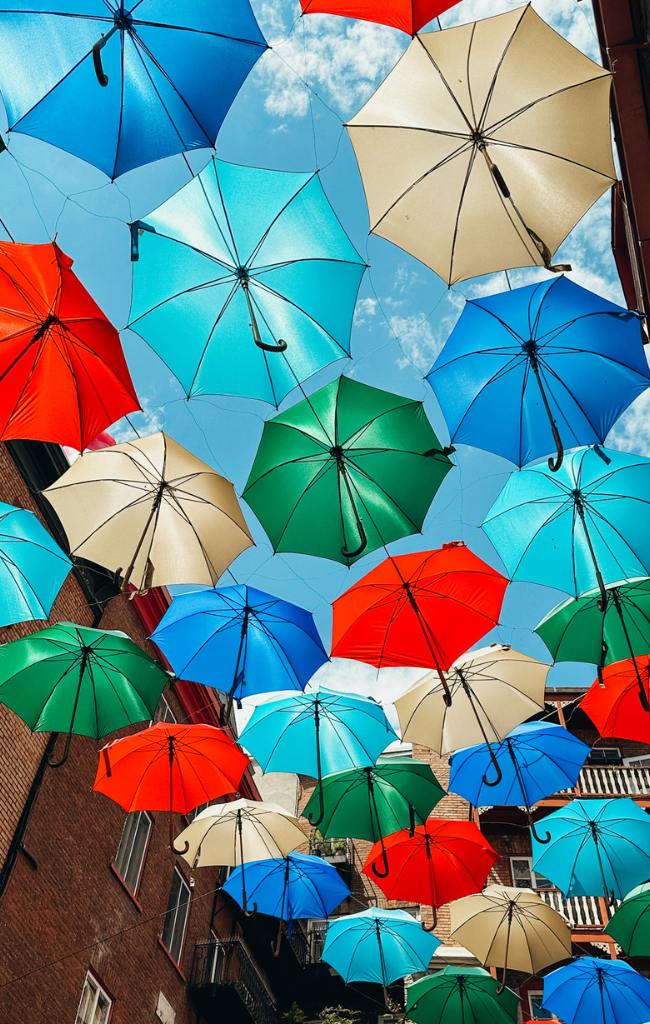
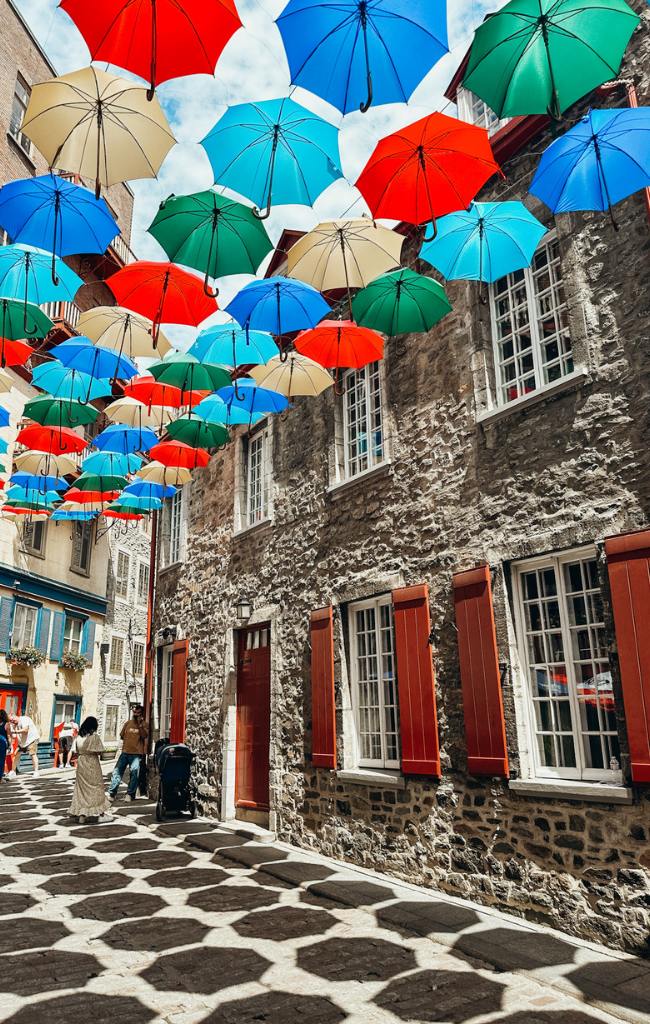
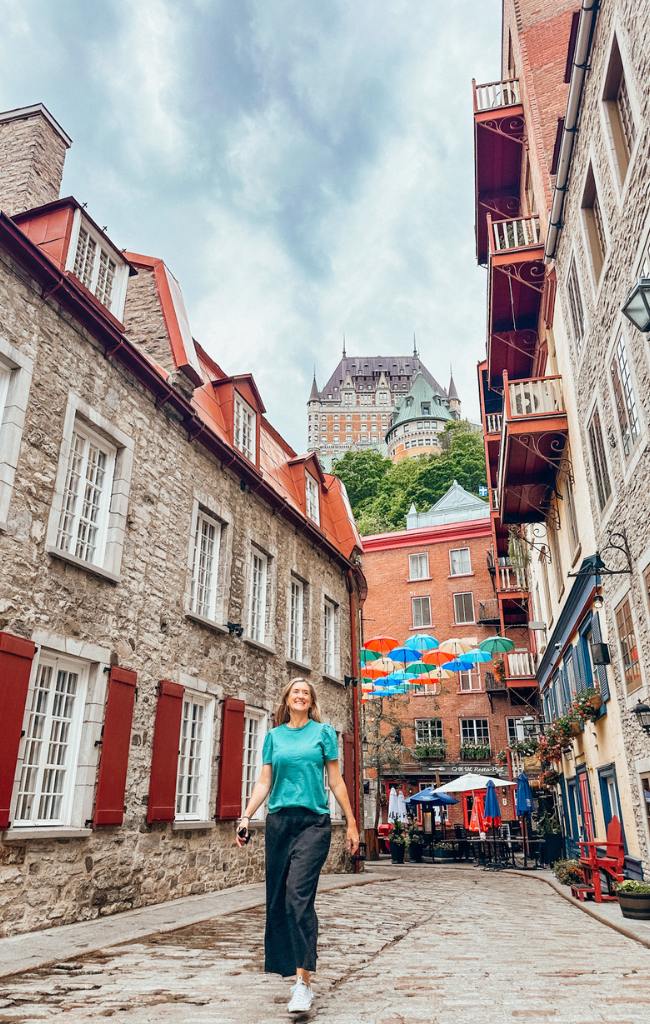
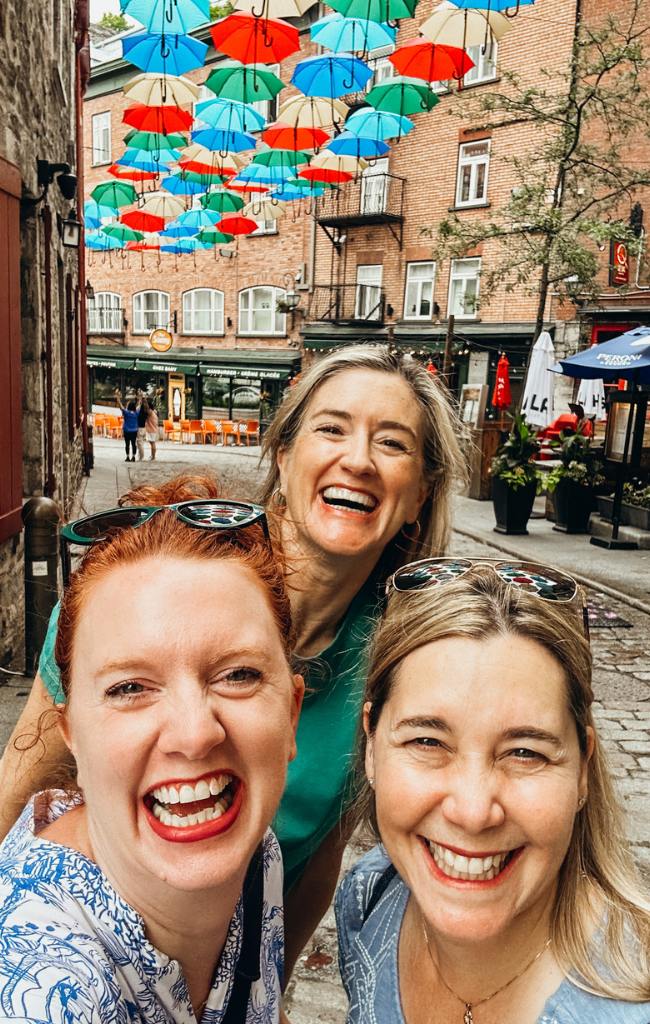
The most photographed street in this corner of the city is Rue du Cul-de-Sac, otherwise known as Umbrella Alley.
Nearby is Place Royale, a beautiful square and where Samuel de Champlain founded the City of Québec in 1608. It’s home to Notre-Dame-des-Victoires Church, the oldest stone church in North America. At Christmas, a towering, twinkling tree stands in the centre. Also on Place Royal is Cafe La Maison Smith, a convivial coffee shop and the perfect place to stop for a drink and an oversized pastry.
Another good place for coffee is the nearby Faux Mouvement on Champlain Boulevard that is both a specialty café and running boutique (because caffeine makes you run faster?). The coffee here is very good.
Don’t miss the huge mural, the Fresque des Québécois that tells the story of the city and includes dozens of famous local faces. It’s painted on the wall of Maison Soumande on rue Notre-Dame, just around the corner from Place Royale.

Rue Saint-Jean and the Old City Walls
From Place Royale, we walked towards the small riverfront Montmorency Park and then up the winding Côte de la Montagne, lined with historic buildings, that connects the Lower Town to the Upper Town.
You will pass the Musée de la Civilisation along the way, which has permanent exhibitions detailing the history of Quebec. There are also regular, changing temporary exhibitions. Continue up Côte de la Montagne and you will run into Rue de Buade where the Cathedral-Basilica of Notre-Dame de Québec stands opposite the city’s dedicated Christmas shop.
Continue along Côte de la Fabrique until you hit Rue Saint-Jean, one of the city’s main shopping streets lined with boutiques, souvenir and clothing shops. On weekends during the summer it’s closed to traffic and pedestrians take over the streets. It’s a great place to stop for lunch and we chose long-standing local favourite Café-boulangerie Paillard that serves a selection of sandwiches and pastries.
As you walk up Rue Saint-Jean you will notice the gates and fortifications that surround the Old Town. These surrounding ramparts were built between 1608 and 1871 and are the only fortified city walls remaining in North America north of Mexico and the best way to explore them is by walking along them.
We climbed the stairs at Porte Saint-Jean and walked along the old walls, looking out over the city streets below. It’s a wonderful way to see the city and we wandered along until Porte Saint-Louis where we descended and headed back to the hotel.

Other things to do
If you still have time to spare on your first day in Quebec City then you may want to do one of the following:
- Get a bird’s-eye view of Quebec from the Observatoire de la Capitale, the highest point in the city.
- The Québec-Lévis ferry wasn’t running when I visited but assuming that it is during your trip then this is a fun and cheap way to see Québec City from the water without having to commit to a long cruise. The journey to Lévis on the south shore of the St. Lawrence river only takes 10 minutes.
- The Musée National des Beaux-Arts du Québec is home to more than 40,000 works from the 17th century to the present day including an excellent collection of Inuit art.
3 Days in Quebec City: Day 2
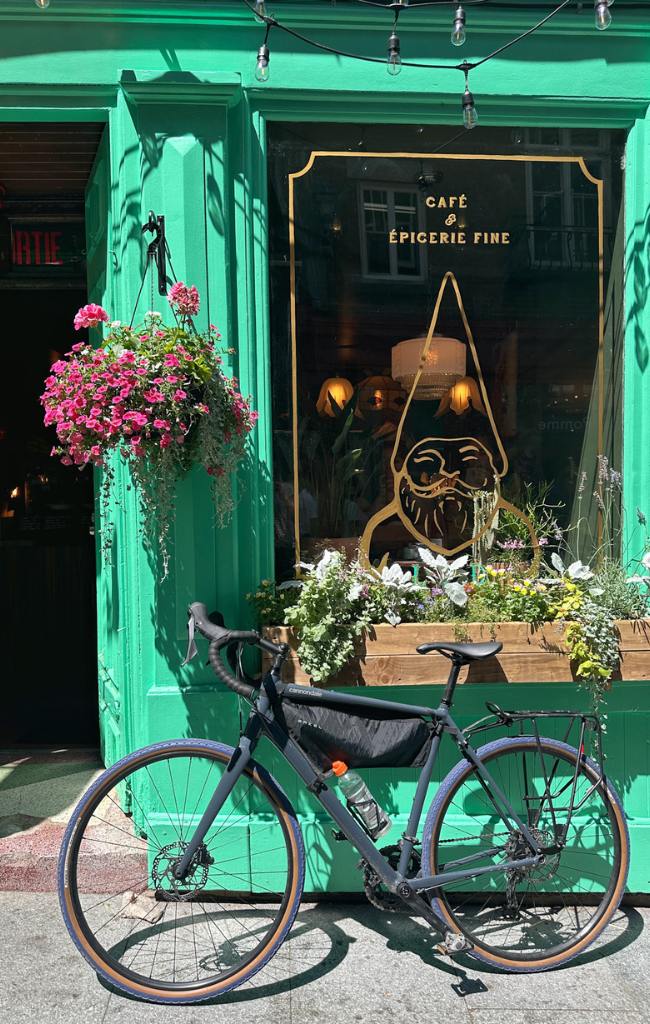
One of the things I was most surprised about on this visit to Quebec is just how much there is to do outside the city walls and one of the best ways to discover them is by bike. We started our second day in Quebec City with an e-bike city tour, meeting our guide Denise at Cyclo Services near the Bassin Louise (Louise Basin).
An e-bike tour of Quebec City
Quebec has a great network of bike lanes and we began our tour cycling past the Port of Québec Marina, filled with dozens of sailing boats with the city’s towering grain silos standing tall in the background, a reminder of the city’s role as a major hub for grain and cereal export.
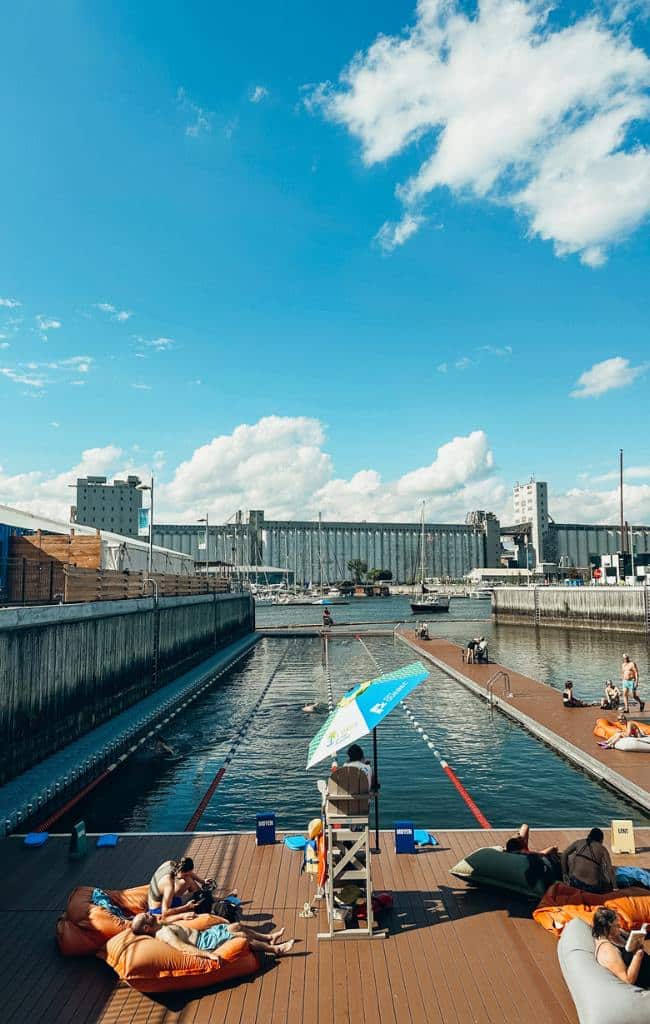
Further along we stopped at L’Oasis, a harbour swim area and the first of its kind in North America. Open from mid-June to 1 September, this free-to-use swim space consists of a fun pool surrounded by a deck area peppered with oversized bean bags and Olympic-sized swimming lanes for anyone who wants to do laps. As someone who loves to swim laps, I was upset that I did not have my swimsuit with me (pro tip: always pack one in your bag!).
L’Oasis only opened a couple of years ago and has proved to be a huge hit. There’s also a terrace with a bar serving drinks and snacks.
Denise was an excellent guide, stopping periodically to share some of the city’s history, in particular the role the Saint Lawrence River had in shaping Quebec.
The river was long used as a transportation route for local First Nations and it was along the St. Lawrence River that French explorer Jacques Cartier first sailed in June 1534, paving the way for French colonisation.
The first Quebec settlements developed along the river’s banks and, for centuries, the waterway has played an important economic role, facilitating all kinds of trade and transport. Culturally, it’s also hugely important and many of Quebec’s traditional – from canoeing and ice fishing – is linked to the mighty river.
We continued along past the harbour and the many navy ships, decorated with flags, docked for the biennial Rendez-Vous Naval. This biennial event sees Canadian and foreign sailors arrive in Quebec City to celebrate Quebec’s naval and maritime history and mingle with the public in their freshly starched and sparkling white uniforms.
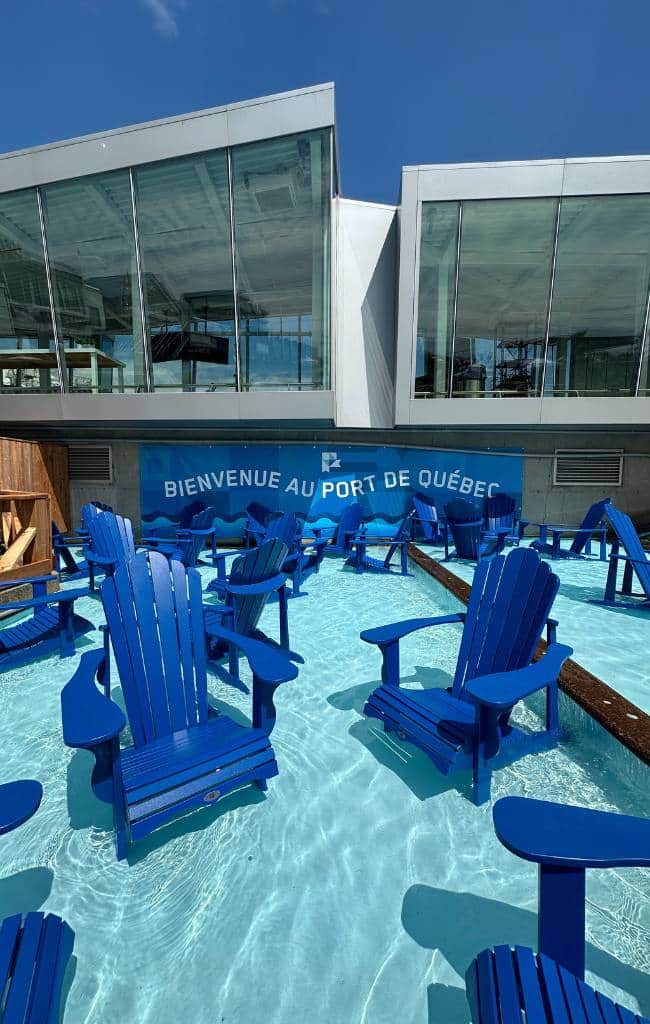
One of the best places to stop along the harbour is La Cale of the Port of Québec, a fun bar filled with cobalt blue Adirondack chairs positioned in shallow pools of water – the perfect way to keep cool during the summer months.
Pausing near the Québec City Ferry stop, near Musée de la civilisation and the Petit-Champlain District, we were rewarded with an excellent view of the turreted Fairmont le Chateau Frontenac
Promenade Samuel-De Champlain
From here the cycle path winds its way out of the city along the path that follows the curves in the St. Lawrence River. At one point Denise instructed us to cross the Boulevard Champlain so she could point out Les Escalier du Cap-Blanc, one of a series of staircases linking the Upper and Lower parts of town. This one, made up of some 398 steps, ascends from the banks of the St. Lawrence up to the Plains of Abraham and is a popular spot for locals looking for a (rather challenging!) work out.
The newest section of this cycle path is the promenade Samuel-De Champlain, a large green space with different zones celebrating the city and the river that was gifted to the capital to celebrate Quebec’s 400th anniversary. One section for example, Station des Quais, has four different gardens that reflect the different moods of the mighty river.
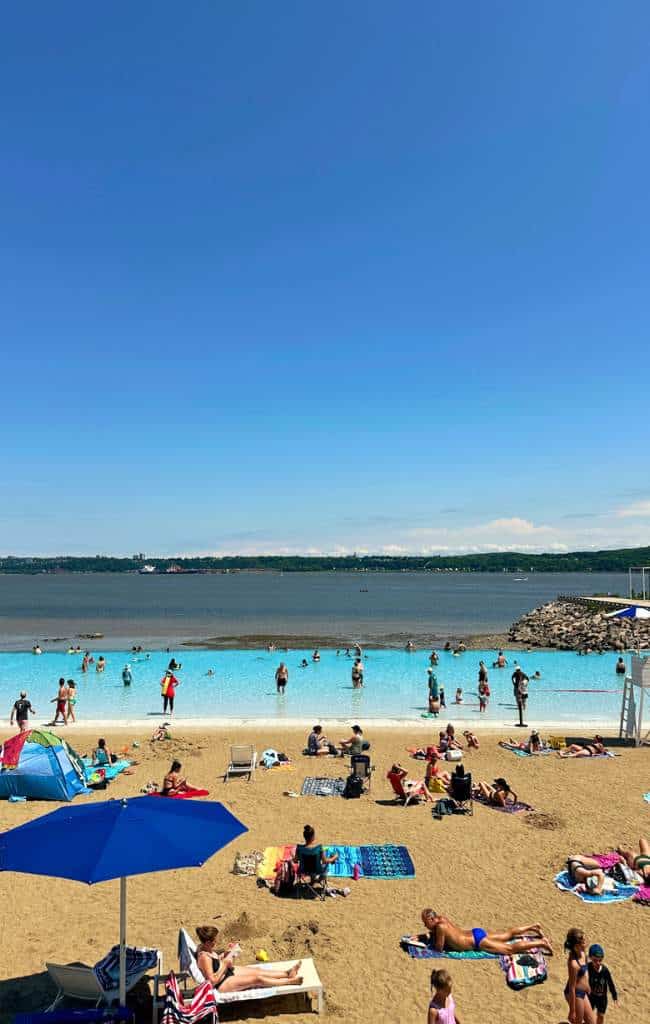
Undoubtedly the most popular section is the excellent Station de la Plage, where a beach has been created on the river banks with a large infinity pool overlooking the St. Lawrence. We stopped here for lunch and, for the second time that day, I bemoaned the fact that I did not have my swimsuit on me.
You can cycle all the way down to the Québec Bridge if you want. This is the longest cantilever bridge in the world (longer than the Firth of Forth Bridge in Scotland by 27 m) and connects Québec City and Lévis. Or, you can simply cycle back towards the city. It’s a really easy, flat route and would be a great option as well if you happened to be in Quebec City with kids.
Avenue Cartier
Back in Quebec City itself, we spent the rest of the afternoon exploring Avenue Cartier, a cool street located just beyond the city walls, a few blocks from the Musée National des Beaux-Arts de Québec.
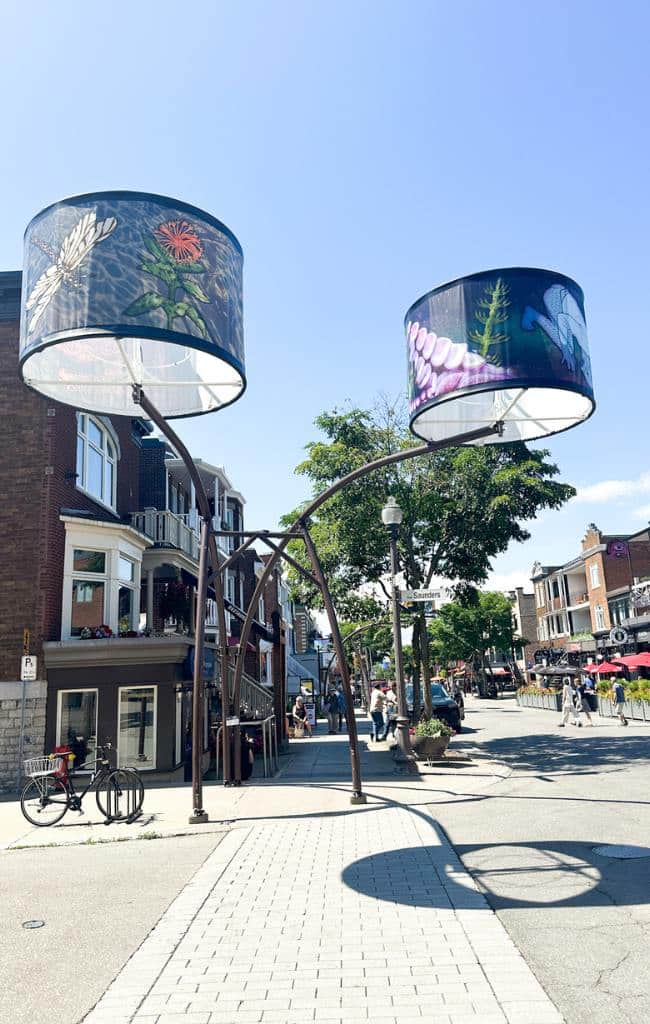
Popular with locals, this colourful street is lined with independent boutiques, lively restaurants and bars, some with live music. It’s best known for its 34 giant lampshade street lights that look particularly good at night – we ate here one evening at Petits Crux Corsica, the only Corsican restaurant in the city.
As well as browsing the shops, we popped into Chocolate Favoris, a popular chocolate shop and ice cream parlour that serves what quickly became one of my favourite Quebec specialities, chocolate dipped ice cream.
Soft vanilla ice cream is dipped into melted chocolate of your choice (dark chocolate, milk chocolate etc..), which then hardens, creating a crunchy chocolate exterior. This was not the best that we had during our time in Quebec (see Day 3 for that surprise!) but it was very, very good.

3 Days in Quebec City: Day 3
Your third day in Quebec City should be bookmarked for exploring Montmorency Falls and the wonderful Île d’Orléans. I would highly recommend visiting both with a guide and not just because it makes transportation easier but because you gain so much more when travelling with a local. We spent the day with Danny, founder of Conciergerie du Terroir who specialise in tailor-made tours, and I cannot recommend him enough. Charming, entertaining and full of local knowledge, he was a joy to spend the day with.

Parc de la Chute-Montmorency Falls
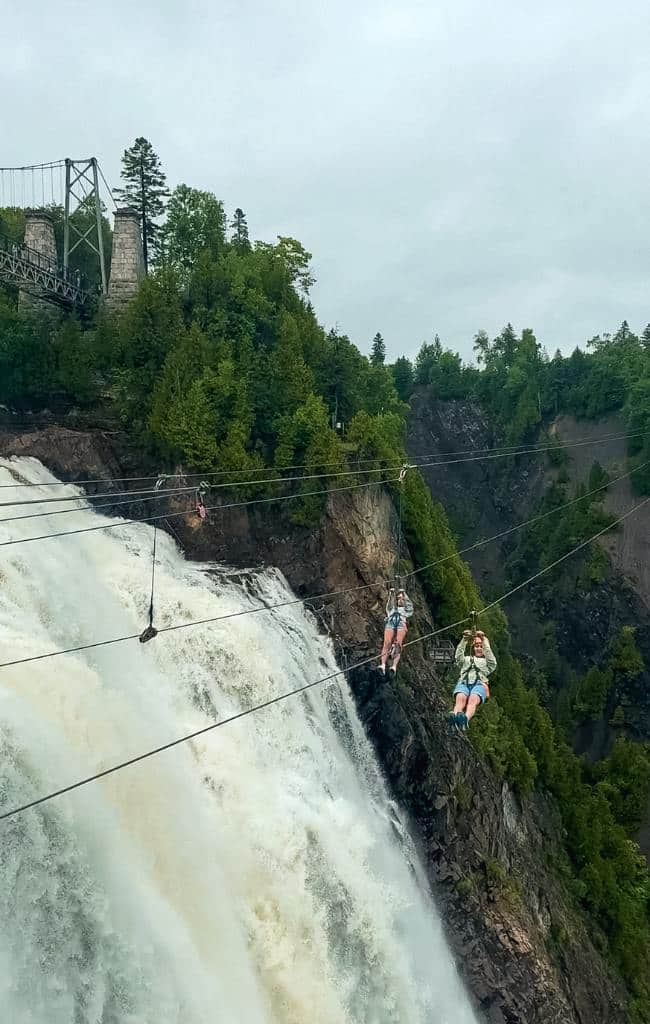
Less than 15 minutes away from Quebec City by car stand the mighty Montmorency Falls. Measuring 83 m (272.3′) high, locals take great pride in telling you that these waterfalls (there are three altogether) stand 30 m (98.4′) higher than Niagara Falls.
Montmorency Falls are one of the most popular places to visit in Quebec so my advice would be to get there early before all the tour buses arrive. Access to the top of the falls is by cable car (you’ll pass Bonhomme, the Winter Festival mascot on your ascent) and you arrive at Manoir Montmorency. The original house was built in 1780 but it was destroyed in a fire so what you see now dates from the 1990s.
Today the Manor House is a gift shop and restaurant but apparently it was the setting for an illicit 27 year-long affair between the Duke of Kent and a married woman who called herself Julie de Saint-Laurent.
A suspension bridge hangs over the falls and you can walk over for views of the falls and the St. Lawrence river beyond. One of the best ways to experience the falls, however, are on the tandem zip line that whisks thrill seekers in front of the falls. It’s hugely popular, however, so you need to book well in advance. We didn’t get to try it sadly but it’s just one more reason why I need to plan a return trip to Quebec.
To get back down you can either return via the cable car or there is a 487-step panoramic staircase (we opted for the cable car ride!).

Orleans Island / Île d’Orléans
One of the best things that I did during my three days in Quebec City was our trip to Île d’Orléans (Orleans Island).
Located in the Saint Lawrence River, only 30 minutes east of downtown Quebec City, this beautiful island is home to some 7,000 permanent residents who live scattered among the six different municipalities. This means that, despite its small size (it’s only 34 km long and 8 km wide and you can drive around the perimeter in about an hour) the island has six mayors, six city halls and six elementary schools. As our travel guide Danny said laughing, “there’s a little stubbornness on the island”.
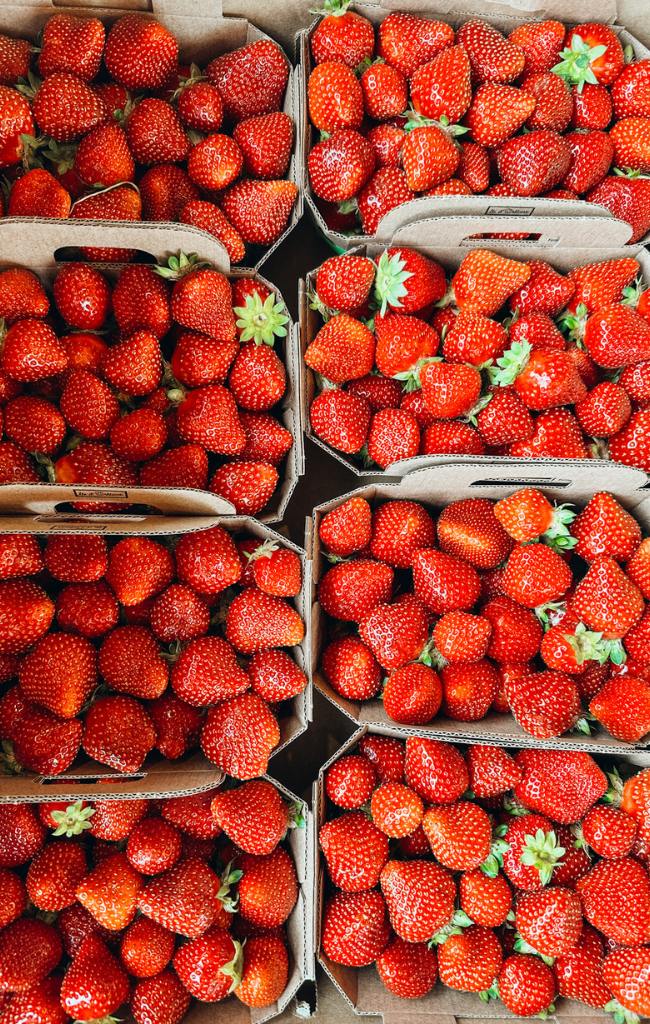
Long inhabited by the First Nations, the island was originally called Minigo, meaning enchanted island. When Samuel de Champlain arrived, it became one of the first areas of New France to be settled owing to its fertile soil. Still today, some 90 percent of the land on the island is used for farming and they produce an incredible array of produce from fresh strawberries and potatoes to apples, blueberries and maple syrup along with wine and cheese.
There are no hotels or B&Bs on the island and everything shuts at 5pm so it can only be visited as a day trip.
Chocolaterie de l’Île d’Orléans
Danny showed us around some of his favourite places on the island starting with Chocolaterie de l’Île d’Orléans, a decadent family-run chocolate shop that produces a huge array of chocolates. Although it wasn’t busy when we arrived, Danny mentioned that it is often packed with visitors piling off tour buses so make sure you time your visit wisely.
One of the best things about the Orleans Island Chocolate shop is their ice cream parlour that serve the most incredible ice cream dipped in pure rich dark chocolate. They also make an excellent maple dipped one.
Ferme François Gosselin
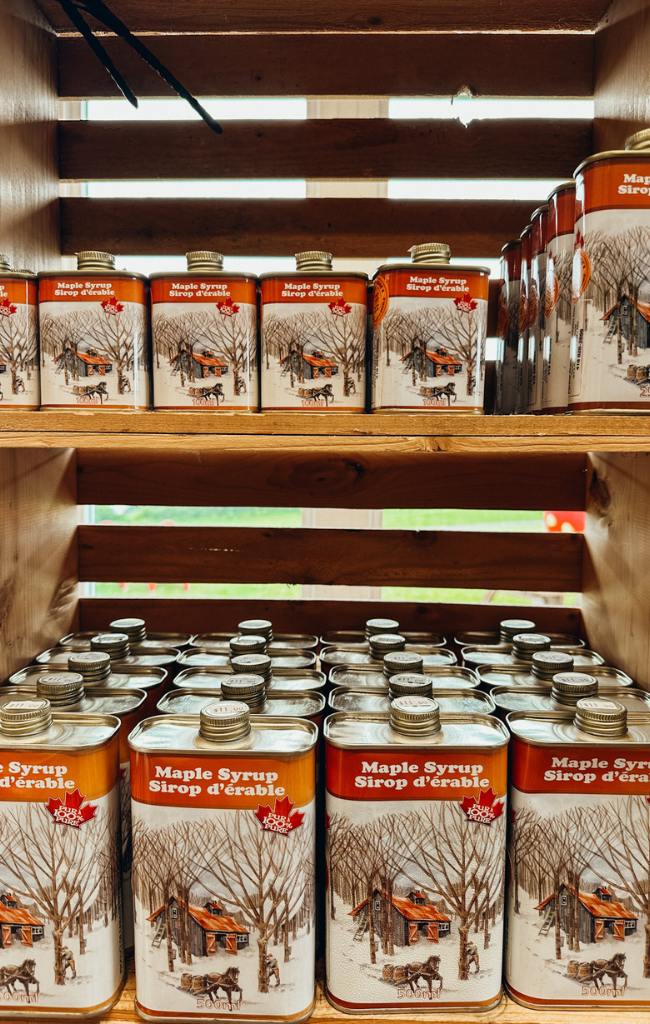
Next stop was Ferme François Gosselin, a seventh generation family-run farm that specialises in berries and maple. During summer months, strawberries and raspberries are their speciality. You can pick your own strawberries during the summer months but we decided to buy ready picked ones instead. They also sell a range of maple products including maple syrup (ask for a tasting as they produce four different types), maple butter, jelly, sugar and more.
Le Jardin des Arts
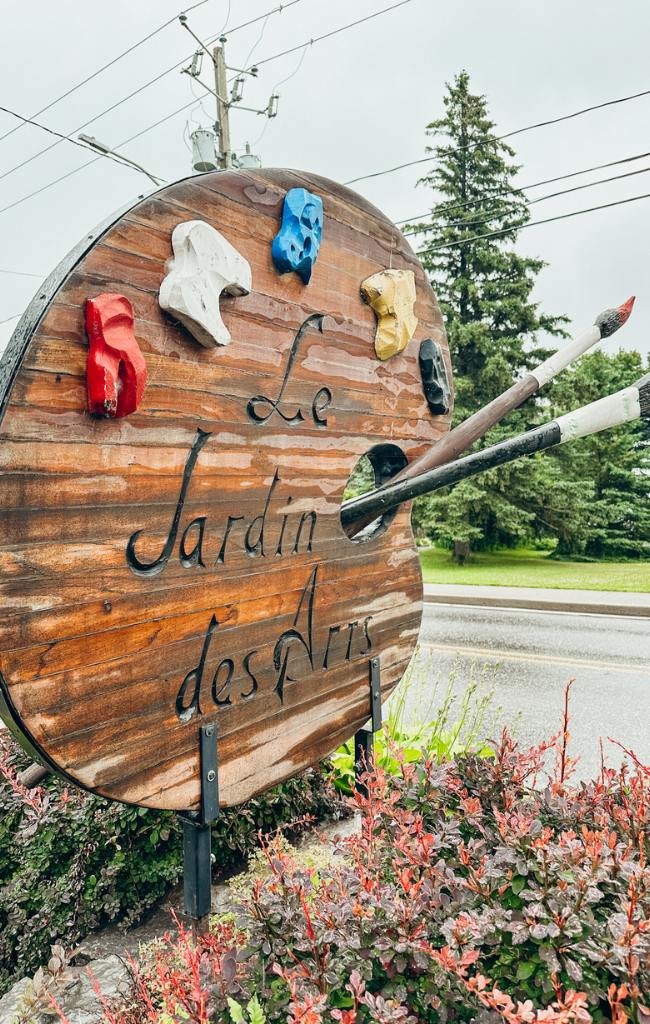
Le Jardin des Arts is an art shop housed in a two-store former joinery workshop and is run by 86-year-old Elisabeth who, Danny explained, was once responsible for the Christmas decorations in the Fairmont Hotels in Montreal and Quebec – this explained the year-round Christmas shop located upstairs!
Downstairs is filled with works by Quebec artists, most of them from the island, and includes everything from wooden sculptures and colourful paintings to jewellery and ceramics.
We didn’t buy anything (I was hampered in any shopping endeavours by travelling only with hand luggage!) but it’s well worth stopping in.
Maison de Thé
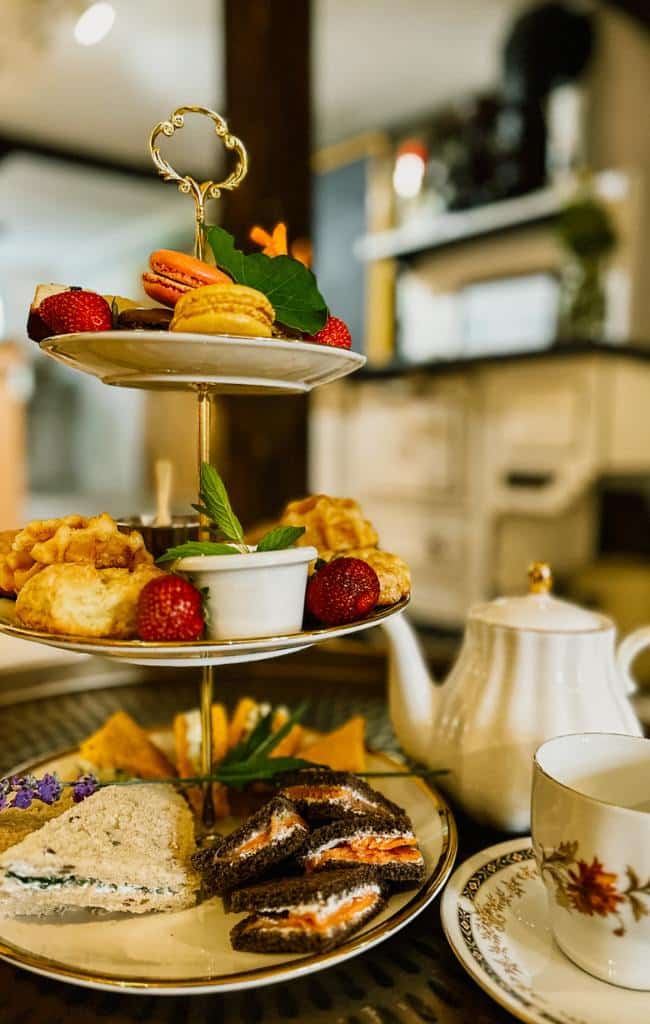
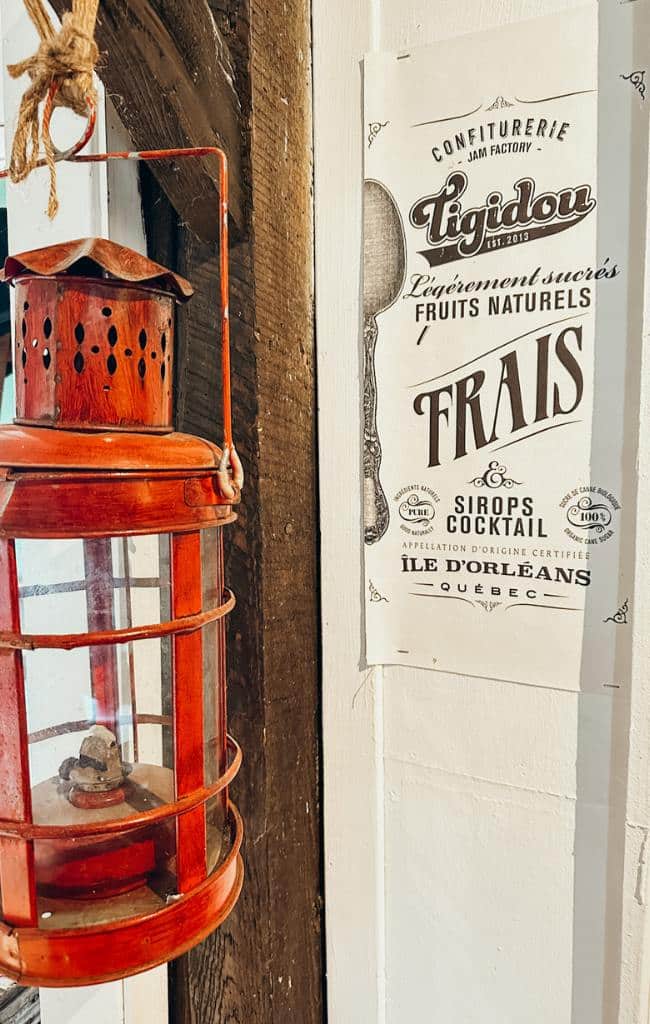
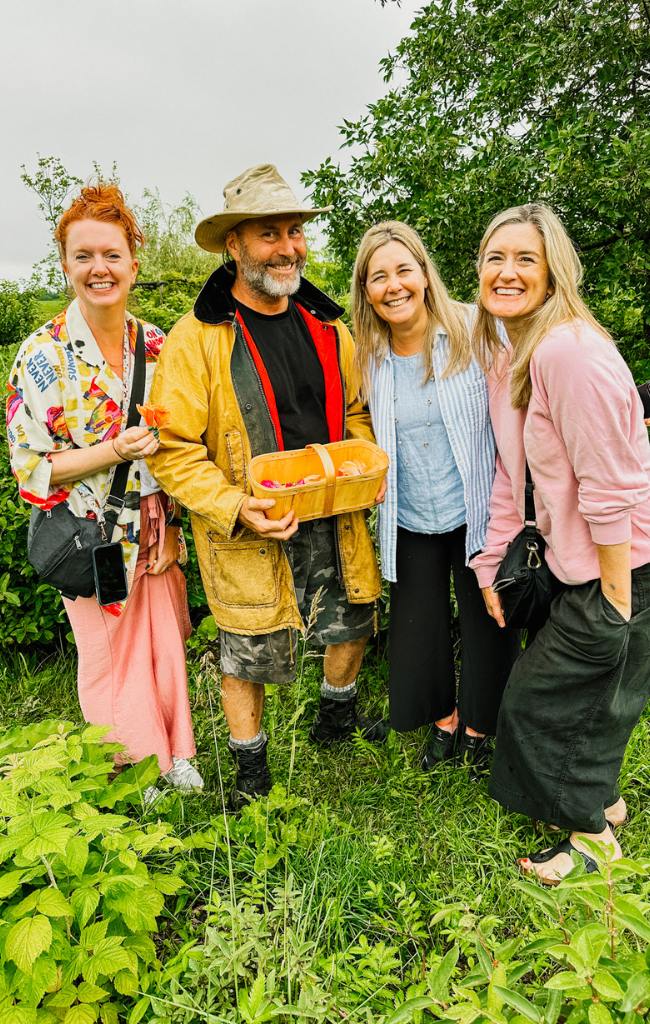
One of the highlights not only of the day but of our entire 3 days in Quebec City was afternoon tea at the Maison de Thé (Tea House). Recently opened the Maison de Thé is owned by the family behind the popular Tigidou brand who make jams using fruits grown on the island.
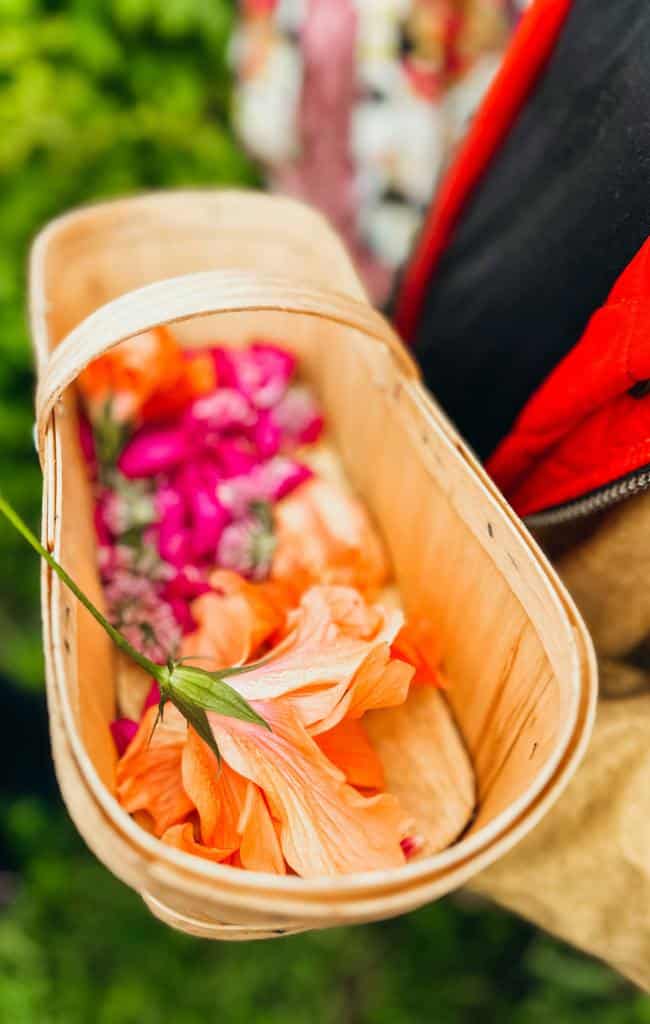
In addition to jam, they now make their own teas using wild flowers, leaves and herbs grown in their gardens and serving afternoon tea in the whitewashed clapboard house near the family house. All produce is local (the cucumbers used in the cream cheese and cucumber sandwiches are grown in the garden for example) and the jams, naturally, come from their own island factory.
The owner, local islander Vincent Paris, is a real character and well worth talking to if he is there when you visit. We were lucky and enjoyed a small tour of the gardens led by Vincent and he was an absolute delight.
If you are interested in afternoon tea then it is well worth booking in advance as it is already proving really popular.
If you have more time….
Unfortunately I ran out of time during my three days in Quebec City but if you have more time then there are a couple of places you should definitely add to your itinerary.
Canyon Sainte-Anne
Located just 35 minutes from Old Quebec, the Canyon Saint-Anne is a stunning canyon crisscrossed with marked trails, three suspension bridges and a handful of observation points. There’s also the AirCanyon, a motorised chair for two that flies above the canyon.
Onhwa’ Lumina
The enchanting nighttime walk of Onhwa’ Lumina tells the story of the Huron-Wendat culture and First Nations People. Located in Wendake, some 30 minutes from Quebec City, the immersive, multimedia walk includes seven stations within the forest, telling the story of Turtle Island, the village, its people and the universe. It was created by Moment Factory who created Vallea Lumina in Whistler and Alt Lumina in Les Gets, France.
Getting to Quebec City
I flew from London Gatwick to Quebec City with Air Transat. It was my first time flying the leisure airline and I was really impressed (you can read my full review of the airline’s Club Class here). Air Transat has been recognised as the World’s Best Leisure Airline 2023 at the Skytrax World Airline Awards, the fifth time it has won this award. It was also awarded North America’s Best Leisure Airline in 2022.
During the summer Air Transat offer up to 7 flights a week from London Gatwick to Montreal, from where it’s a quick change and hop to Quebec City. They also offer one direct flight a week from London Gatwick to Quebec City itself. The flight time from London to Montreal is 7h 15 min and from Montreal to Quebec City it is 55 min. The direct flight from London to Quebec City takes 6hr 25 min.